
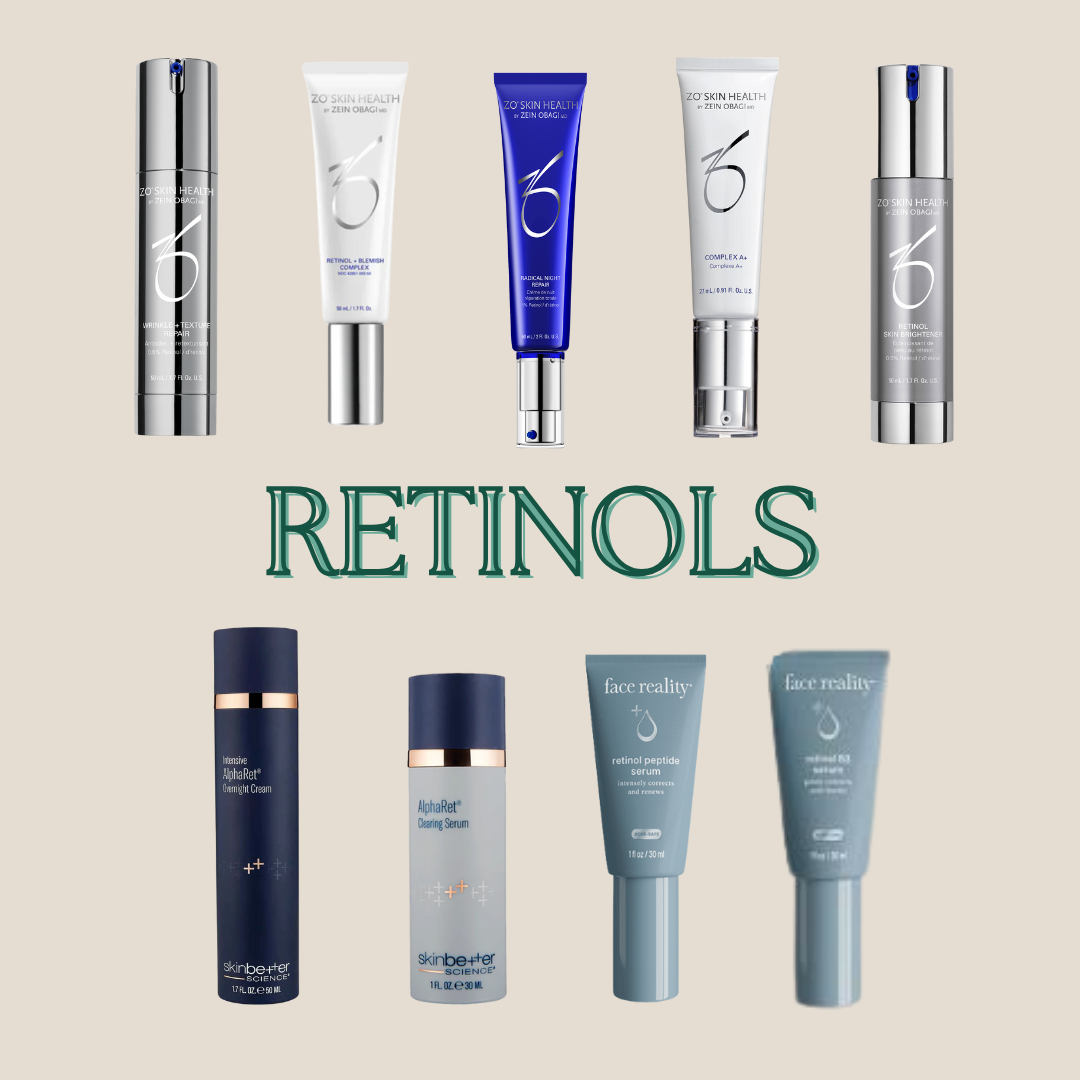
Retinol Without the Redness: Your Guide to Starting Retinol the Right Way
Let’s clear something up real quick 👀
Retinol doesn’t have to mean red, flaky, angry skin.
Yes, retinol is one of the most powerful ingredients for anti-aging, acne, and skin renewal. But when it’s introduced the wrong way, it can feel like your skin is going through a breakup. Dramatic. Uncomfortable. Not cute.
The good news? When you start retinol the right way, you can get all the glow-without-the-irritation results ✨
Let’s break it down.
What Retinol Actually Does (and why it’s worth it)
Retinol is a vitamin A derivative that works by increasing cell turnover. Translation? It helps your skin shed old, dull cells and bring fresh, healthy ones to the surface.
With consistent use, retinol can:
• Smooth fine lines and wrinkles
• Improve skin texture and tone
• Help with acne and congestion
• Boost overall skin clarity and glow
It’s a long-game ingredient, but the results are SO worth it.
Step 1: Start LOW and SLOW
This is where most people mess up.
If you’re new to retinol, stronger is not better. A low-strength retinol used consistently will outperform a high-strength one that wrecks your skin barrier.
Beginner-friendly rules:
• Choose a low-strength retinol
• Use it 1–2 nights per week to start
• Increase frequency slowly over several weeks
Your skin needs time to build tolerance. Rushing it only leads to irritation and setbacks.
Step 2: Sandwich Your Retinol (trust us on this)
One of our favorite tricks for preventing redness? The retinol sandwich method 🥪
Here’s how it works:
-
Apply a gentle, hydrating moisturizer
-
Apply a pea-sized amount of retinol
-
Seal it in with another layer of moisturizer
This buffers the retinol just enough to reduce irritation while still delivering results.
Step 3: Pair Retinol with the RIGHT Ingredients
What you use alongside retinol matters just as much as the retinol itself.
Best friends of retinol:
• Hyaluronic acid for hydration
• Ceramides to support the skin barrier
• Peptides to help with repair
What to avoid on retinol nights:
• Exfoliating acids
• Scrubs
• Other strong actives
Keep it simple. Calm skin = better results.
Step 4: Sunscreen Is Non-Negotiable ☀️
Retinol makes your skin more sensitive to the sun. That means daily SPF isn’t optional—it’s essential.
If you’re not wearing sunscreen consistently, you’re undoing all the hard work your retinol is doing.
The Bottom Line
Retinol doesn’t need to hurt to work.
When you choose the right strength, use it gradually, support your skin barrier, and stay consistent, retinol becomes one of the most effective tools in your skincare routine — not the most intimidating.
The key is pairing retinol with the right hydrators, barrier-supporting ingredients, and SPF so your skin stays calm, comfortable, and glowing while it renews ✨
💛 Not sure which retinol is right for you?
We carry medical-grade options designed for beginners and seasoned retinol users, plus everything you need to support your skin while you’re using it.
👉 Shop retinol and barrier-supporting skincare at revivedskinclinic.com
Slow, smart, and skin-loving — that’s how we do retinol around here.
Read more
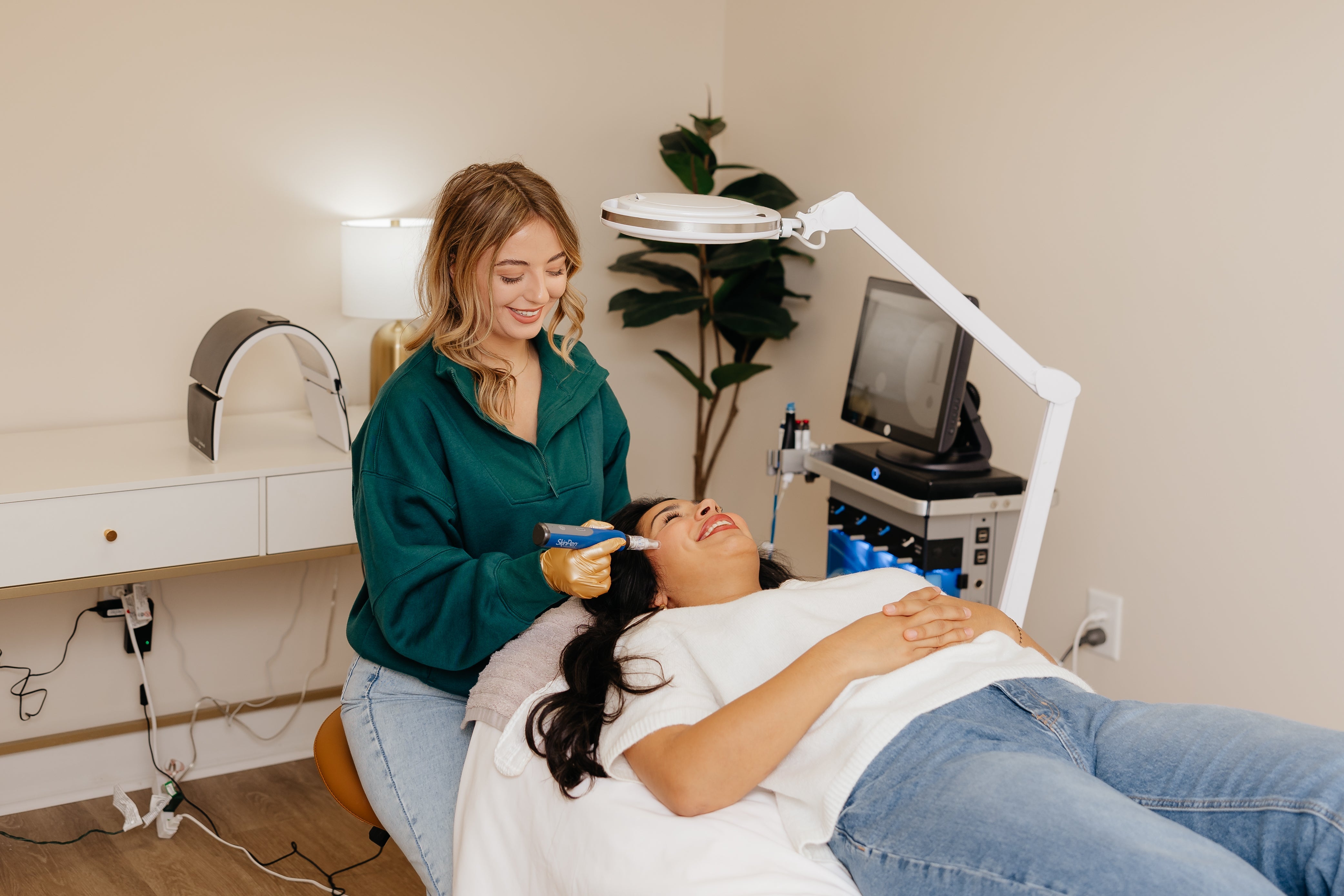
Learn what causes dark spots and the top treatment + product combinations that deliver real results.
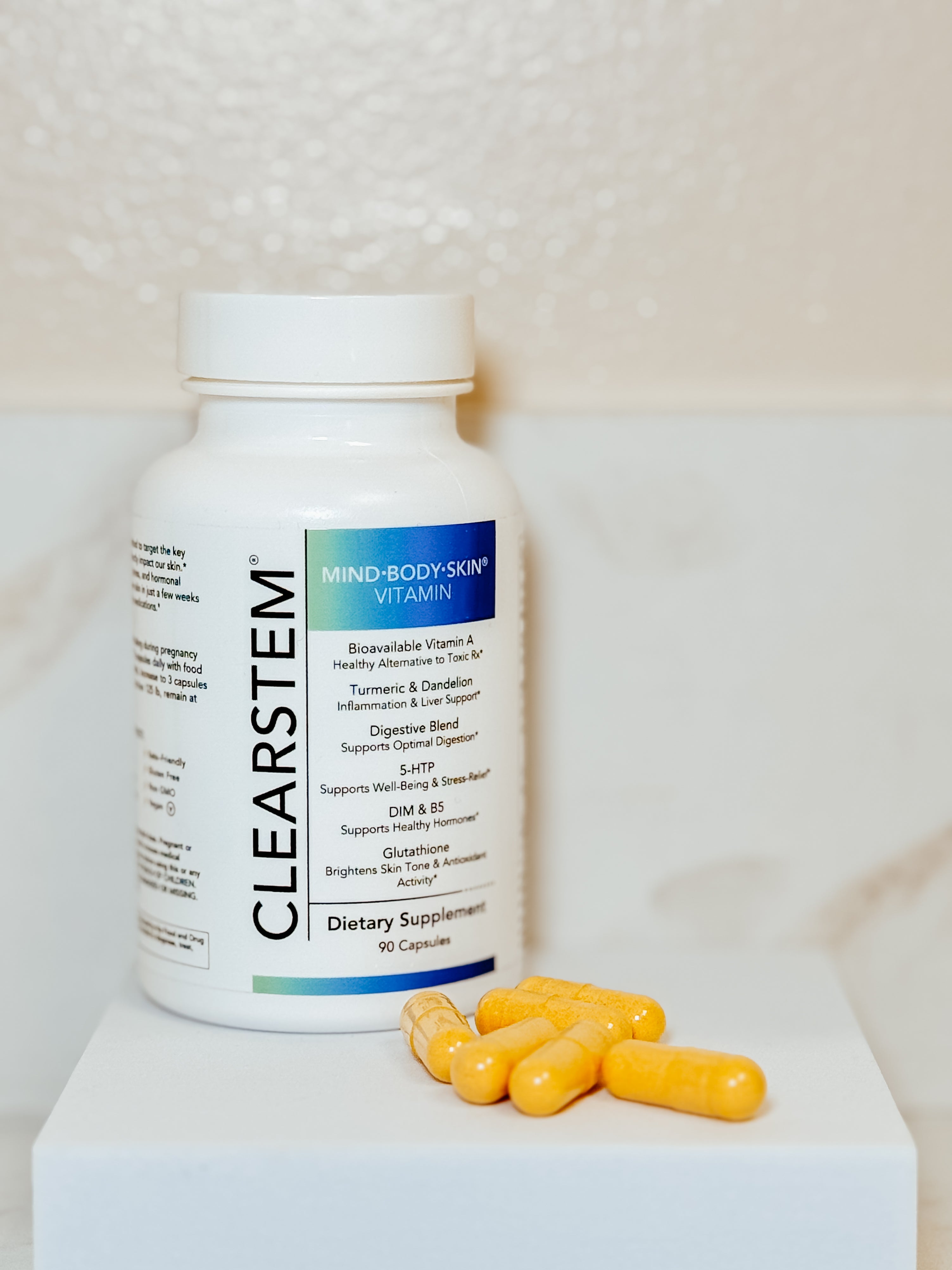
Struggling with hormonal acne? Learn how Clearstem® supplements work, who they’re best for, and whether they’re worth adding to your acne-clearing routine.
