
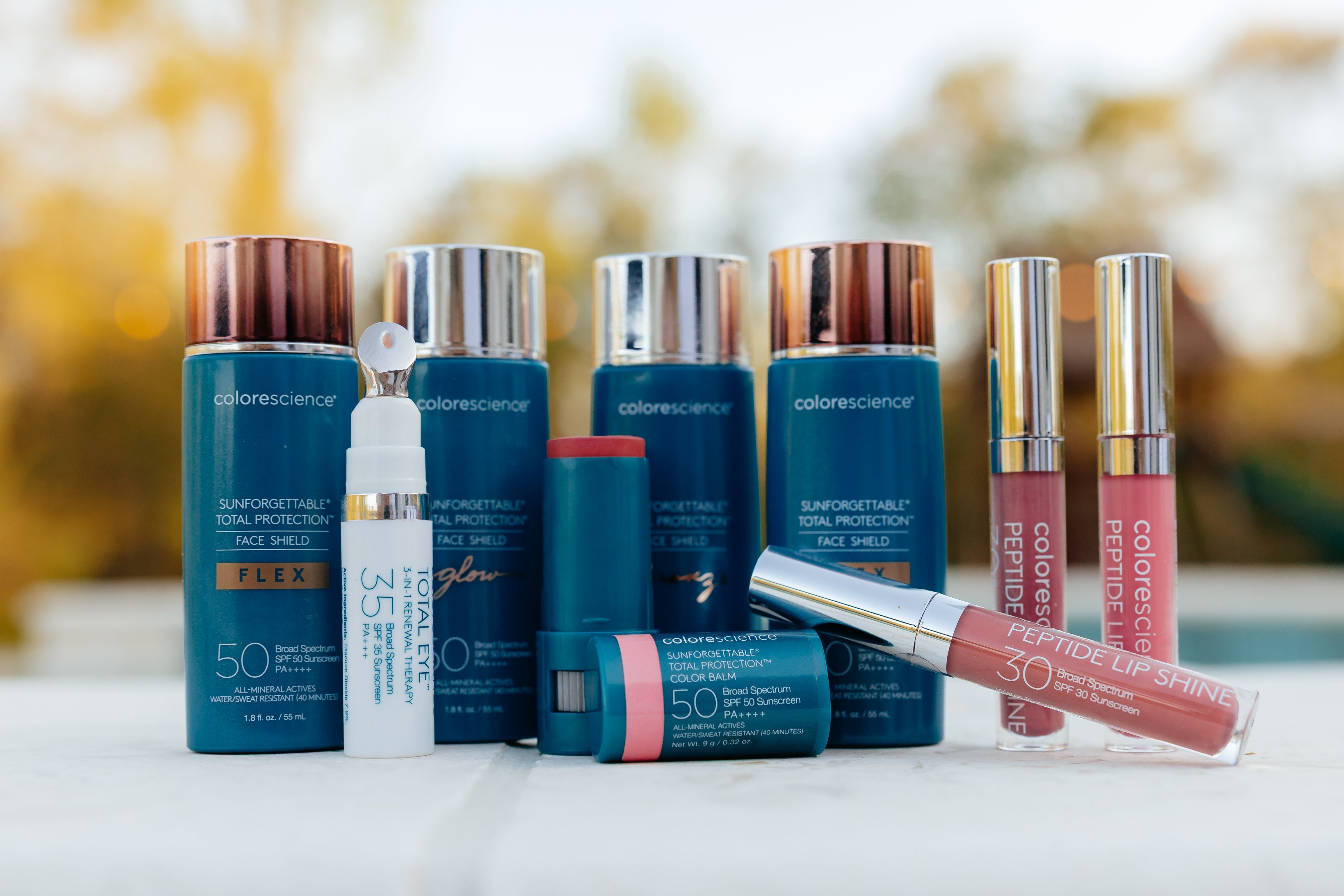
Tinted vs Non-Tinted Mineral Sunscreen: The Colorescience® Breakdown
If sunscreen is the non negotiable step in your routine (as it should be), you’ve probably asked yourself this before:
Should I be using a tinted or non tinted mineral sunscreen?
Both protect your skin.
Both are great options.
They just serve different purposes, and choosing the right one can make a big difference in how your skin looks and behaves long term.
Let’s break it down, Revived style.
Why Mineral Sunscreen Matters
Mineral sunscreens use zinc oxide and or titanium dioxide to physically block UV rays. Instead of absorbing UV like chemical sunscreens, they sit on the surface of the skin and reflect it away.
We love mineral SPF because it is:
-
Gentle for sensitive and acne prone skin
-
Safe after treatments
-
Broad spectrum when properly formulated
-
Less likely to trigger irritation
That is why we trust medical grade mineral options from Colorescience.
Non Tinted Mineral Sunscreen
This is your protection first option.
Best for
-
Very sensitive or reactive skin
-
Post treatment skin
-
Minimal routine days
-
Anyone who wants no coverage
What it does
-
Protects against UVA and UVB rays
-
Supports a healthy skin barrier
-
Leaves skin natural and makeup free
This option is perfect for layering under makeup or keeping things simple.
Tinted Mineral Sunscreen
Tinted SPF takes protection one step further.
Best for
-
Redness or uneven tone
-
Hyperpigmentation or melasma
-
Acne marks
-
No makeup makeup days
What it does
-
Provides mineral UV protection
-
Contains iron oxides that help protect against visible light
-
Evens skin tone instantly
-
Acts like light foundation or a BB cream
This is a favorite for anyone dealing with discoloration or wanting coverage without traditional makeup.
Why Iron Oxides Matter
Here’s the part most people do not realize.
Visible light can worsen melasma and post inflammatory hyperpigmentation. Tinted mineral sunscreens help protect against that visible light exposure. Non tinted sunscreens do not offer this extra level of protection.
If pigmentation is one of your main concerns, tinted SPF is often the better daily choice.
So Which One Should You Use
Honestly, many people use both.
Non tinted for workouts, post treatment days, or layering.
Tinted for daily wear, tone correction, and added protection against visible light.
With Colorescience, you can build a sunscreen routine that fits your lifestyle instead of forcing one product to do everything.
Why We Love Colorescience at Revived
Colorescience products are:
-
100 percent mineral
-
Clinically backed
-
Safe for acne prone and sensitive skin
-
Designed to protect, correct, and enhance the skin
It is not just sunscreen. It is skin protection that works overtime. Check out Glow and Bronze for no makeup or under makeup + Flex as foundation makeup.
Final Thoughts
The best sunscreen is the one you will actually wear every day.
Tinted or non tinted, mineral SPF is essential for protecting your skin, your treatments, and your long term results.
Not sure which Colorescience option is right for you? An RSC pro can help you choose based on your skin type, tone, and goals.
✨ Protect your skin. Protect your results. ✨
Read more
Compare the benefits, downtime, and results of chemical peels and microneedling with guidance from Revived Skin Clinic.

Understand hormonal acne triggers and learn treatment strategies that bring your skin back into balance.
